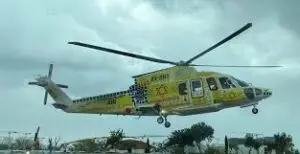
PODCAST: Considerations for Aeromedical Transport and High-Altitude Illness
n the September 2026 episode of Critical Decisions in Emergency Medicine, Drs. Danya Khoujah and Wendy Chang discuss aeromedical transport and high-altitude illness. As always, you’ll also hear about the hot topics covered in the regular features, including failure to capture in The Critical ECG, soil-transmitted helminthic infections in Clinical
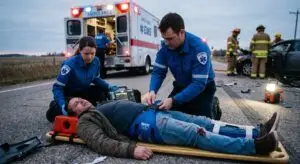
Injury: Prehospital pelvic binder use and transfusion requirements in patients with pelvic fractures: A nationwide propensity-matched cohort study
Shokei Matsumoto 1, Makoto Aoki 2, Masayuki Shimizu 3 Affiliations Expand PMID: 42480287 DOI: 10.1016/j.injury.2026.113501 Abstract Purpose: Pelvic binders are recommended for suspected pelvic fractures to provide early stabilization and hemorrhage control, but robust comparative evidence regarding their real-world impact on transfusion requirements and subsequent hemorrhage-control strategies remains limited. We evaluated the association between prehospital
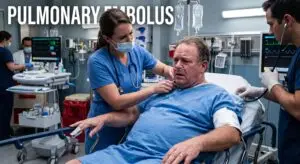
PODCAST: New AHA/ACC Pulmonary Embolism Guidelines
This episode summarizes and breaks down the 54 pages of recommendations from the new American Heart Association/American College of Cardiology guidelines on diagnosis and treatment of PE. Show notes, graphics, and references: FOAMcast.org Thanks for listening! Lauren Westafer

PODCAST: Trauma Blunt Cardiovascular Injuries (BCVI)
Aug 31, 2026 Contributor: Aaron Lessen, MD Educational Pearls: Blunt cerebrovascular injury (BCVI) BCVI is a traumatic injury to the carotid or vertebral arteries Patients may initially have no neurologic symptoms In some cases, a thrombus can form at the site of the injury and later cause ischemic stroke, sometimes
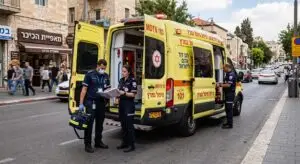
מהספרות לשטח: דום לב וטמפרטורות והדרכת החייאה טלפון או וידיאו
גיליון מספר 9 – חם מדי, קר מדי – מתי עולה הסיכון לדום לב? סקירה שיטתית של 31 מחקרים המראה כי גם קור קיצוני וגם חום קיצוני קשורים לעלייה בסיכון לדום לב מחוץ לבית החולים, ובחלק מהמחקרים גם לתוצאות החייאה פחות טובות. מבחינתנו, המשמעות היא שתחזית מזג האוויר עשויה להיות
מהספרות לשטח: זיהוי שבץ מוחי
כאשר צוות מד״א מטפל בחולה עם חשד לשבץ, האם ניתן באמצעות סקאלה קלינית לזהות כבר בטרום בית החולים מי נמצא בסבירות גבוהה לחסימת כלי דם גדול )LVO), וכך לסייע בהחלטה על יעד הפינוי למרכז לצנתור מוחי? זיהוי-שבץ-מוחי-LVO-MLS008.pdf
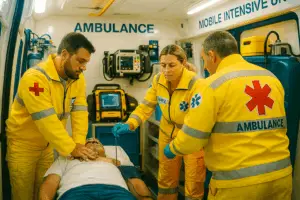
PODCAST: Which Is Better? Amiodarone vs. Lidocaine for OHCA
Podcast: Play in new window | Download
Written by Alex Clark Spoon Feed This target trial emulation study showed no statistically significant difference in survival or favorable neurologic outcome between lidocaine and amiodarone in refractory, shockable, out-of-hospital cardiac arrest. Sparky likes lidocaine Both amiodarone and lidocaine are guideline-supported therapies for refractory shockable OHCA, but the optimal first-line
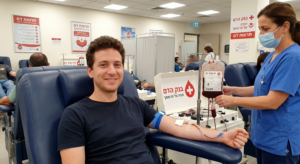
מהספרות לשטח:מהו המרווח הנכון בין תרומות דם
אנו ממשיכים בפרסום סדרת ״מהספרות לשטח״ והפעם עם גיליון ייעודי המוקדש הפעם לרפואת עירויים ולשירותי הדם. גיליון מספר 7 – הגיליון סוקר מחקרים שבחנו כיצד מרווח הזמן בין תרומות דם מלא משפיע על רמות ההמוגלובין, מאגרי הברזל, תסמינים הקשורים לתרומה ושיעורי הפסילה מתרומה. המסר המרכזי הוא שהמוגלובין תקין
