

PODCAST: Which Is Better? Amiodarone vs. Lidocaine for OHCA
Podcast: Play in new window | Download
Written by Alex Clark Spoon Feed This target trial emulation study showed no statistically significant difference in survival or favorable neurologic outcome between lidocaine and amiodarone in refractory, shockable, out-of-hospital cardiac arrest. Sparky likes lidocaine Both amiodarone and lidocaine are guideline-supported therapies for refractory shockable OHCA, but the optimal first-line
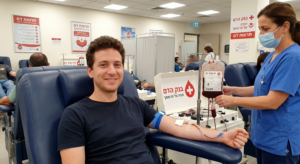
מהספרות לשטח:מהו המרווח הנכון בין תרומות דם
אנו ממשיכים בפרסום סדרת ״מהספרות לשטח״ והפעם עם גיליון ייעודי המוקדש הפעם לרפואת עירויים ולשירותי הדם. גיליון מספר 7 – הגיליון סוקר מחקרים שבחנו כיצד מרווח הזמן בין תרומות דם מלא משפיע על רמות ההמוגלובין, מאגרי הברזל, תסמינים הקשורים לתרומה ושיעורי הפסילה מתרומה. המסר המרכזי הוא שהמוגלובין תקין

PODCAST: Hypokalemia
Aug 10, 2026 Contributor: Meghan Hurley, MD Educational Pearls: What is hypokalemia? Hypokalemia is when the measured blood level of potassium falls below 3.5 mEq/L (normal 3.5 – 5.2 mEq/L). Can generally be considered in mild (3.0 – 3.5 mEq/L); moderate (2.5 – 2.9 mEq/L); and severe (<2.5 mEq/L) categories

PODCAST: Life-Threatening Post-Partum Hemorrhage (PPH) with Cho Espinoza
You are here: Home / EMCrit / EMCrit 431 – OB-EMCrit – Life-Threatening Post-Partum Hemorrhage (PPH) with Cho Espinoza EMCrit 431 – OB-EMCrit – Life-Threatening Post-Partum Hemorrhage (PPH) with Cho Espinoza August 7, 2026 by Scott Weingart, MD FCCM 1 Comment Today, we talk severe post-partum hemorrhage with an amazing OB and intensive care doc… Cholene “Cho” Espinoza

Modern C-Spine Clearance in Pediatrics and Adults
Written by Ketan Patel Spoon Feed A structured approach to cervical spine clearance using clinical decision rules, modern CT, and select use of MRI and x-ray in adult and pediatric patients allows us to avoid prolonged collar use, reduce ED crowding, and limit adverse collar effects for patients. No to

ECG Cases: One Dose Of Amiodarone Probably Won't Hurt, Right? OOPS
ECG Teaching Cases Jul 01, 2026 “THIS IS MEDIC 2915 REQUESTING STAT MEDICAL COMMAND! OVER.” You hear the EMS radio call out. You and your charge nurse Shannon hustle over to the radio to see what’s going on. “Go ahead Medic 2915, this is the hospital” “Hey Doc, we need some help

ACEP Now: Pharmacologic Management of the Post-Intubation Patient in the ED
By Jonathan Glauser, MD, MBA, FACEP; and Scott Spalding, DO | on June 30, 2026 Share: Print-Friendly Version Nearly 400,000 patients per year undergo mechanical ventilation in the emergency department (ED).1 An older report indicated that 2.8 percent of patients in the United States received mechanical ventilation following hospitalization, with a mortality rate of
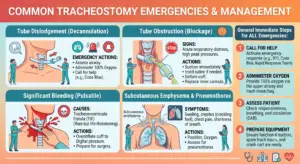
PODCAST: Laryngectomy and Tracheostomy Emergencies; Roadside to Resus
Tracheostomy and laryngectomy emergencies are classic high-acuity, low-frequency situations. They do not happen every day, but when they do, airway problems can develop quickly, and the wrong intervention can make things significantly worse. In this episode, we work through the practical approach to these patients, starting with the most important
