Jirayu Chantanakomes ,1 Wasin Pansiritanachot,1 Sattha Riyapan ,1 Sang Do Shin,2 Kyoung Jun Song ,3 Wen-Chu Chiang ,4
Sabariah Faizah Jamaluddin,5 Kentaro Kajino6
ABSTRACT 
Background While Emergency Medical Services (EMS) guidelines improve outcomes in severe traumatic brain
injury (TBI), the effect of optimal blood pressure and oxygenation on sports-related and recreation-related TBI
(SRR-TBI) is unclear. This study assessed whether EMS management of systolic blood pressure (SBP) and oxygen
saturation (SpO₂) influences outcomes in SRR-TBI. Methods This retrospective cohort study analysed
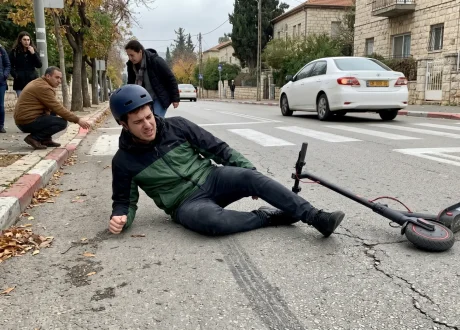
data from patients diagnosed with TBI sustaining injuries during sports, education or leisure activities and
were transported by EMS from 1 January 2016 to 31 December 2022, at Pan-Asian Trauma Outcomes Study
facilities. Patients were classified as receiving optima care (SBP>110mm Hg and SpO₂ >94%), intermediate
care (either SBP<110mm Hg or SpO<94%) or suboptimal care (both <thresholds). Outcomes were
favourable neurological recovery (Modified Rankin Scale 0–3) and survival to discharge. Adjusted ORs with
95% CIs were calculated using multivariable logistic regression, adjusting for activity, age, sex, Charlson
Comorbidity Index, mechanism and intent of injury, alcohol intake, time of injury and the Excess Mortality
Ratio-adjusted Injury Severity Score. Results Among 4629 patients, 74% were male and 18.4% were <18 years old. Injuries occurred during
education (3%), sports (14.5%) and leisure (82.5%). Care was optimal in 77.7%, intermediate in 19.6%
and suboptimal in 2.7%. Favourable outcomes were 96.3%, 88.7% and 76%, with mortality of 0.9%, 4.7%
and 8.8%, respectively (p<0.0001). Compared with suboptimal care, adjusted odds of favourable recovery
and survival were 2.76 and 3.30 for optimal care, and 1.27 and 1.01 for intermediate care.
Conclusion Maintaining optimal SBP and SpO2 during EMS care is associated with better neurological
outcomes and survival in patients with SRR-TBI.