- PMID: 31769338
- DOI: 10.1177/0897190019889444
Abstract
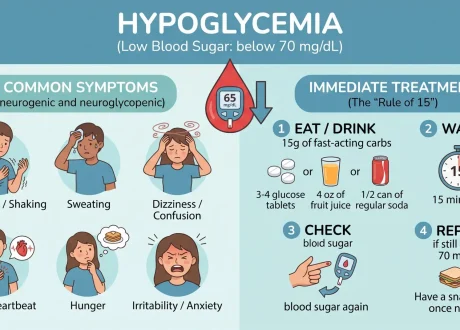
Background: Hypoglycemia is a frequent cause of emergency medical services (EMS) activation; however, limited evidence exists to support optimal prehospital treatment.
Objective: This study sought to compare the safety and efficacy of the administration of 10% dextrose (D10) intravenously (IV) versus 50% dextrose (D50) IV for the treatment of hypoglycemia in the prehospital setting.
Methods: This was a retrospective cohort study of patients who received IV dextrose by EMS and were transported to an academic teaching hospital emergency department between 2014 and 2017.
Results: Four hundred seventy-eight eligible patients were reviewed, with 161 patients receiving D10 and 150 patients receiving D50. There was no significant difference found regarding the need for dextrose retreatment prior to hospital arrival between the D10 and D50 groups (0.6% vs 2.0%; P = .565). The prehospital reassessment glucose in the D50 group was a significantly higher than the D10 group (151.9 vs 124.6 mg/dL, P = .001) and this difference was maintained on hospital arrival (129.5 vs 108.0 mg/dL, P = .011). No significant difference was found between groups with regard to hospital admission, length of stay, or in-hospital mortality.
Conclusion: When comparing D10 with D50 for the treatment of hypoglycemia by EMS, there were no significant differences in the need for dextrose retreatment prior to hospital arrival. The use of D50 resulted in a significantly higher blood glucose concentrations both in the prehospital setting and upon hospital arrival. Further study is needed in larger patient populations to evaluate the use of D10, the need for dextrose readministration, and its impact on clinical outcomes.
Keywords: dextrose; emergency medical services; glucose; hypoglycemia.
תקציר
רקע: היפוגליקמיה היא סיבה שכיחה להזנקת שירותי רפואה דחופה
(EMS); עם זאת, קיימות ראיות מוגבלות התומכות בטיפול המיטבי בשלב הטרום-אשפוזי.
מטרה: מחקר זה נועד להשוות את הבטיחות והיעילות של מתן דקסטרוז 10% (D10) לעומת דקסטרוז 50% (D50) דרך הווריד (IV) לטיפול בהיפוגליקמיה במסגרת הטרום-אשפוזית.
שיטות: זהו מחקר עוקבה (קוהורטה) רטרוספקטיבי שבחן מטופלים שקיבלו דקסטרוז תוך-ורידי על ידי צוותי רפואה דחופה ופונו למחלקה לרפואה דחופה בבית חולים אוניברסיטאי בין השנים 2014 ל-2017.
תוצאות: נבחנו 478 מטופלים שעמדו בקריטריונים; 161 מטופלים קיבלו D10 ו-150 מטופלים קיבלו D50. לא נמצא הבדל מובהק בצורך במתן חוזר של דקסטרוז לפני ההגעה לבית החולים בין קבוצת ה-D10 לקבוצת ה-D50 (0.6% לעומת 2.0%; P = 0.565). רמת הגלוקוז בבדיקה החוזרת בשטח הייתה גבוהה באופן מובהק בקבוצת ה-D50 בהשוואה לקבוצת ה-D10 (151.9 לעומת 124.6 מ"ג/ד"ל, P = 0.001), והבדל זה נשמר גם בעת ההגעה לבית החולים (129.5 לעומת 108.0 מ"ג/ד"ל, P = 0.011). לא נמצאו הבדלים מובהקים בין הקבוצות בנוגע לאשפוז בבית החולים, משך האשפוז או תמותה בתוך בית החולים.
מסקנות: בהשוואה בין D10 ל-D50 לטיפול בהיפוגליקמיה על ידי צוותי רפואה דחופה, לא נמצאו הבדלים מובהקים בצורך במתן חוזר של דקסטרוז לפני ההגעה לבית החולים. השימוש ב-D50 הוביל לריכוזי גלוקוז גבוהים יותר באופן מובהק, הן במסגרת הטרום-אשפוזית והן בעת ההגעה לבית החולים. נדרש מחקר נוסף בקרב אוכלוסיות מטופלים גדולות יותר כדי להעריך את השימוש ב-D10, את הצורך במתן חוזר של דקסטרוז ואת השפעתו על התוצאות הקליניות.
מילות מפתח: דקסטרוז; שירותי רפואה דחופה; גלוקוז; היפוגליקמיה.