
Written by Michael Stocker
Spoon Feed
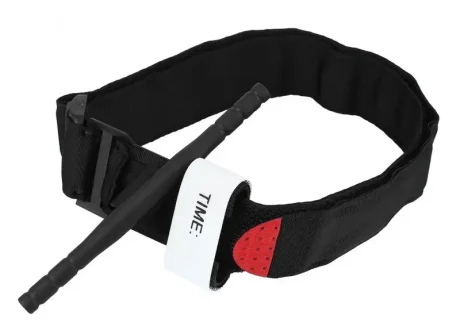
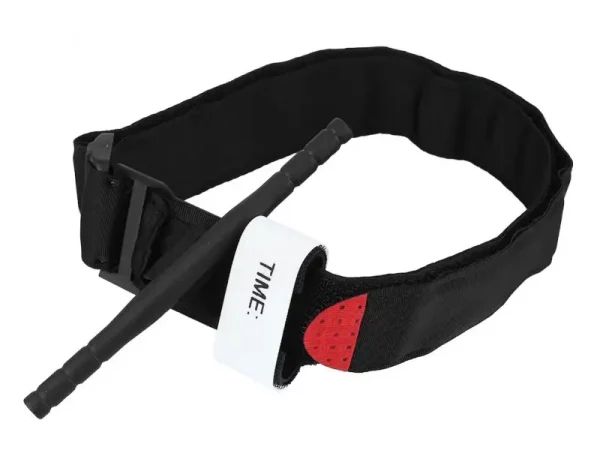
Considering widespread adoption and austere environments, the chances of encountering a prolonged tourniquet is likely increasing. This review sums up nicely the management of patients exposed to prolonged tourniquets.
To take it off or take the leg
Civilian and military trauma experts made recommendations on classification and management of prolonged tourniquets – generally considered >2 hours – applicable to both resource-rich and -poor settings.
Tourniquet times & conversion
- As many as ¾ of prehospital tourniquets are placed unnecessarily. In the absence of traumatic amputation, clinical instability, or uncontrollable bleeding source, conversion should take place as soon as it is safe to do so.
- If conversion is unsuccessful, “high and tight” tourniquets should be repositioned to 2-3 inches proximal to the wound at reapplication.
- Beyond 2 hours, complications of prolonged ischemia become increasingly likely. Beyond 6 hours, tissue distal to the tourniquet is likely unsalvageable.
Limb salvage vs early amputation
- Patient-specific factors should guide the decision as well as ischemia time. More extensively injured patients are likely to experience ischemia complications earlier.
- Factors favoring amputation: blast, crush, extensive tissue destruction, hypothermia, combined arterial/venous injury, limited resources to manage reperfusion injury, and low likelihood of functional limb recovery.
Managing ischemia reperfusion injury
- Regardless of setting, reperfusion should not be considered benign. Anticipate rhabdomyolysis, hyperkalemia, severe acidosis, subsequent renal failure, and need for fasciotomies. Early amputation is indicated if these complications cannot be reasonably managed.
- Anesthesia via peripheral nerve block or IV anesthesia may be appropriate.
- Anticipate continued aggressive electrolyte management, large-volume fluid resuscitation, and diuretics as hemodynamics allow. Renal replacement therapy may be necessary.

How will this change my practice?
Prevention is key: prehospital and ED clinicians should train early tourniquet reassessment and conversion to avoid unnecessary prolonged application. While most relevant to combat settings, it isn’t hard to imagine nightmare scenarios leading to prolonged tourniquets presenting to EDs due to their growing civilian use. I’ll refer to this guidance in both my military and civilian practice and work closely with my trauma team to optimize patients at risk of reperfusion injuries.
Source
Prolonged tourniquet use in extremity trauma: What you need to knowProlonged tourniquet use in extremity trauma: What you need to know. J Trauma Acute Care Surg. 2026 Jun 19. doi: 10.1097/TA.0000000000005108. Epub ahead of print. PMID: 42312871