Podcast summarizing recent emergency medicine posts from the past week.
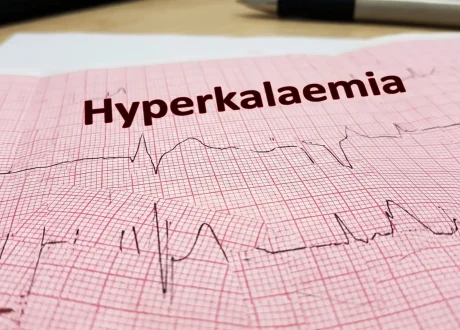
**BMJ: Diagnosis and management of acute hyperkalaemia**
The most frequent causes of hyperkalaemia include impaired renal potassium elimination, from chronic kidney disease or pharmacological inhibition of the renin-angiotensin-aldosterone system, and transcellular potassium shifts resulting from metabolic acidosis, tissue breakdown, insulin deficiency, or hypertonic states. The post BMJ: Diagnosis and management of acute hyperkalaemia first appeared on האיגוד הישראלי לרפואה דחופה.
—
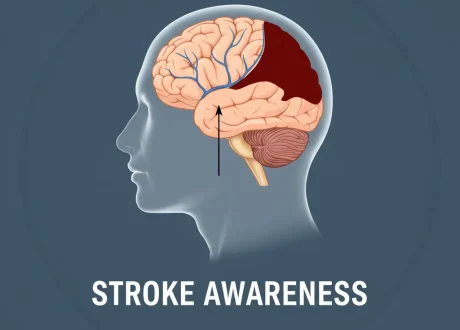
**JAMA: Changing Patterns of Transient Ischemic Attack Evaluation in US Emergency Departments**
Advanced imaging use among discharged encounters increased over the study period, with discharge more common in rural hospitals. The post JAMA: Changing Patterns of Transient Ischemic Attack Evaluation in US Emergency Departments first appeared on האיגוד הישראלי לרפואה דחופה.
—
**PODCAST: EMCrit Explosion Wee – F/u with the 2026 ACEP Sedation Guidelines Authors**
He spends his clinical time caring for ill and injured children in the Emergency Departments of CHCO. Is it time to admit that emergency physicians sometimes (often) intentionally provide general anesthesia for procedures?
—
**PODCAST: 296. Cardiac Arrest: What Actually Matters During Resuscitation**
Check out our interactive question bank podcast- the FIRST of its kind here Cite this podcast as: Briggs, Blake; Wosiski-Kuhn, Marlena. Cardiac Arrest: What Actually Matters During Resuscitation first appeared on האיגוד הישראלי לרפואה דחופה.
—
**BMJ: Pre-hospital care delays in trauma-related mass casualty incidents: a comparative international survey of high-income and lowand middle-income country perspectives**
Pre-hospital care providers with experience of at least one trauma-related mass casualty incident were recruited globally via professional associations, alumni networks, and social media. Communication improvement, integrated into routine MCI training and operational planning, may represent a modifiable area for reducing perceived pre-hospital delays.The post BMJ: Pre-hospital care delays in trauma-related mass casualty incidents: a comparative international survey of high-income and lowand middle-income country perspectives first appeared on האיגוד הישראלי לרפואה דחופה.
—
**Low-Titer O+Whole Blood Implementation in the EMS System for Metropolitan Oklahoma City and Tulsa: Significance, Success, & Sharing Lessons Learned**
Following LTOWB transfusion, prehospital vital signs (systolic blood pressure, heart rate, and shock index) significantly improved (p<0.05). Patients often had secondary deterioration during transit, illustrating that blood transfusion “bought” temporary time during transport of critically injured patients to definitive careThe post Low-Titer O+Whole Blood Implementation in the EMS System for Metropolitan Oklahoma City and Tulsa: Significance, Success, & Sharing Lessons Learned first appeared on האיגוד הישראלי לרפואה דחופה.
—
**PODCAST: High, High HOPE for Recovery – Alteplase between 4.5 and 24 hours**
Advanced imaging can identify potentially salvageable brain many hours after stroke onset, but we still don’t know exactly who benefits, how large that patient-important benefit is, or whether it outweighs the harms. SGEM Bottom Line: HOPE suggests a potential functional benefit from alteplase 4.5 to 24 hours after stroke onset in carefully selected patients with salvageable brain tissue and no planned thrombectomy.
—
**Automated Calculation of the Pediatric Emergency Care Applied Research Network (PECARN) IntraAbdominal Injury Rule from Unstructured Emergency Department Notes Using a Large Language Model**
We investigated whether large language models (LLMs) can automatically calculate PECARN intra-abdominal injury risk scores from real-world unstructured emergency department (ED) notes. The LLM, OpenAI o1, was compared with clinician-derived standards for PECARN risk scores and predictor variable extraction from unstructured physician ED notes.
—
**Trends in Pediatric Firearm Injuries: 2016-2023**
Methods: We conducted a retrospective observational study using the Pediatric Health Information System including patients aged younger than 18 years with an FI-related ED visit from 2016 to 2023. Conclusions: Pediatric FI ED visits rose early in the COVID-19 pandemic and have remained elevated through 2023, establishing a concerning new baseline.
—
**EMJ: Modifiers of the effectiveness of point-of-care troponin testing and determinants of concordance between diagnostic pathway recommendations and disposition in patients with chest pain: a post hoc analysis of a randomised controlled trial**
Our objective was to examine factors that influence the real world effectiveness of POC hs-cTn-based accelerated diagnostic protocols (ADPs) in reducing ED LOS. Methods This is a post hoc analysis from the “Aiming towards evidence-based interpretation of cardiac biomarkers in patients presenting with chest pain using POC testing” (WESTCOR-POC) study which included 1494 consecutive patients with suspected acute coronary syndrome presenting to the ED at a moderately sized hospital in Norway.