John W. Lyng, Joshua G. Corsa, Brad D. Raetzke, Bryan R. Wilson, Andrew
McCoy, Steve C. Patterson, Amie Rose, Emily Kraft & Nichole Bosson
Abstract 
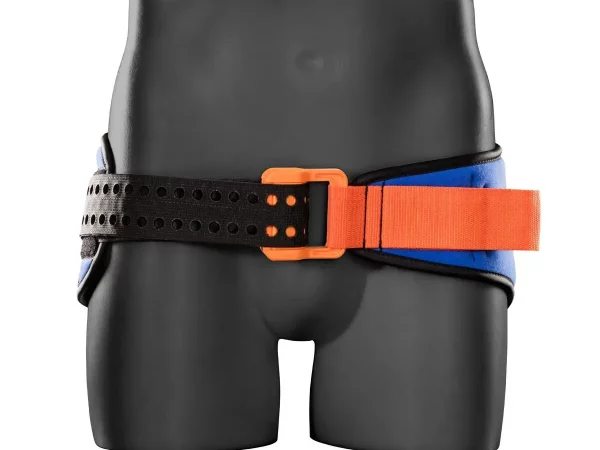
Emergency Medical Services (EMS) clinicians may encounter trauma patients with major pelvic fractures from multiple mechanisms of injury. In-hospital evidence that stabilization of pelvic fractures leads to improved patient outcomes has been extrapolated to promote the use of pelvic stabilization interventions by EMS clinicians in the prehospital setting. However, there are significant challenges in accurately identifying pelvic fractures in the field, and the clinical benefit of prehospital pelvic stabilizing interventions with use of pelvic circumferential compression devices (PCCDs) is questionable. Therefore, NAEMSP conducted a structured review of the literature to develop evidence-guided recommendations for the prehospital management of suspected pelvic fractures.
Plain language summary
While hemorrhagic shock directly attributable to pelvic fractures may occur, concomitant injuries are commonly the cause of shock. EMS clinicians should carefully evaluate for other sources of shock in the hemodynamically unstable trauma patient with suspected pelvic fractures.EMS clinicians should recognize the challenges in accurately identifying pelvic fractures by physical exam alone. Manual stability testing of the pelvis is neither sensitive nor specific and may cause harm.Prehospital use of PCCDs should be reconsidered given lack of proven clinical benefit including insufficient evidence that PCCDs reduce traumatic hemorrhage or mortality, and potential for iatrogenic injuries.If PCCDs are used, care must be taken to ensure they are placed in anatomically appropriate position over the trochanters, and that the legs are internally rotated by securing the feet together.EMS clinicians should transport patients with suspected pelvis fractures who also meet other triage criteria of the National Trauma Triage Guidelines to a major trauma center, when possible. Transport via air-based EMS may be appropriate in select circumstances.Pelvic splinting is a low-frequency skill that is not without risk to the patient. Agencies that include use of PCCDs in their protocols should ensure their EMS clinicians receive initial and ongoing training and education that addresses the development of both cognitive and psychomotor aptitudes related to pelvic fracture identification and management. The training should be comprehensive and directed by quality improvement programs. Pelvic fracture identification, proper patient selection, and appropriate placement and tension of pelvic splints should be emphasized.EMS physicians play an important role in developing curricula and leading quality management programs to both ensure that EMS clinicians are properly trained in the recognition and management of pelvis fractures and that interventions for pelvis fractures are performed appropriately, safely, and effectively.