


Naloxone and Clinical Outcomes in Suspected Opioid-Associated Out-of-Hospital Cardiac Arrests
Ralph C. Wang, MD, MAS; Jake Toy, DO, MS; Juan Carlos C. Montoy, MD, PhD; Juliana Tolles, MD, MHS; Paul F. Ehlers, MD, MS; J Joelle Donofrio-Odmann, DO; James J. Menegazzi, PhD; Marianne Gausche-Hill, MD; Robert M. Rodriguez, MD; David G. Dillon, MD, PhD; for the CAL-ROC Investigators Key Points
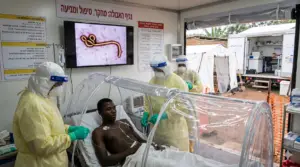
JAMA: A Rare Ebola Virus Is Spreading in the DRC—Here’s What to Know
Kate Schweitzer1 For years, there has been cautious optimism among global health officials that Ebola was, finally, under control. Better surveillance, faster diagnostics, and safer health care practices were just a few of the lessons learned from past outbreaks in West Africa that had transformed the response to such public health emergencies. (opens
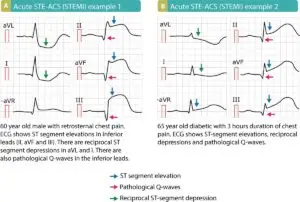
HEPARIN STEMI RCT—Prehospital Heparin for STEMI
Written by Clark Strunk Spoon Feed In this single-center RCT of patients with STEMI within 6 hours of symptom onset, a heparin bolus at first prehospital medical contact (FMC) resulted in better flow in the infarct related artery (IRA) at initial angiography, without an increased risk of significant bleeding. Early

Electric Scooter-Related Injuries Strain Urban Trauma Units
The rapid spread of electric scooters, e-bikes, and other micromobility vehicles is reshaping the patterns of road traffic injuries in Rome and other cities worldwide. Policies aimed at reducing the use of polluting vehicles have accelerated adoption, but healthcare systems are now facing a growing burden of trauma related to
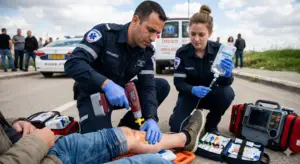
Access Granted—IV vs. IO in Cardiac Arrest
Written by Joshua Dodge and Ketan Patel Spoon Feed In adult out-of-hospital cardiac arrest (OHCA), initial intraosseous (IO) versus intravenous (IV) access showed no significant difference in long-term survival, favorable neurological outcomes, or quality of life. Different routes, same destination Rapid vascular access is a core component of advanced life
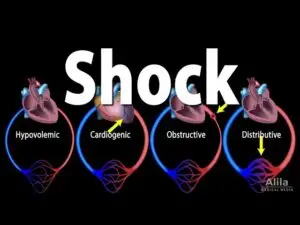
Safety of Peripheral Vasoactive Drug Administration in Prehospital and Retrieval Medicine (SPOTLESS-2): A Prospective Observational Cohort Study
Robbie Ley Greaves, Aaron Quay, Renee Bolot, Jemma King, Clinton Gibbs ABSTRACT Introduction Adrenaline and noradrenaline are cornerstones of critical care. Traditionally, delivery of these drugs has been through central venous access due to concerns over the safety of peripheral venous access. However, central venous access

BMJ: Helicopter Emergency Medical Services attendance is associated with favourable survival outcomes in major trauma: derivation and internal validation of prediction models in a regional trauma system
Joanne Griggs ,1,2 Jenny Harris,2 Jack Barrett,1,3 Scott Clarke,1 John O’Neill,4,5 Leigh Curtis,6 Malcolm Tunnicliff,4,7 Claire Baker,8 Duncan Bootland,9,10 Emma Ream,2 Richard Lyon,2,11 On behalf of Air Ambulance Charity Kent Surrey Sussex Abstract. Background Survival benefit of Helicopter Emergency Medical Services (HEMS) attended major
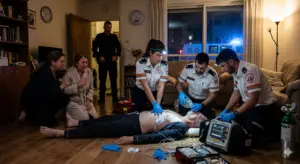
JAMA: Out-of-Hospital Cardiac Arrest Survival at Nighttime
Joshua M. Kimbrell, BA1; Tanner Smida, PhD2; Judah A. Kreinbrook, BS3 et al Key Points Question Does out-of-hospital cardiac arrest resuscitation with nighttime prehospital response remain associated with low rates of survival using contemporary data? Findings In this retrospective cohort study including 874 415 patients from a nationwide out-of-hospital cardiac registry from 2013 to 2024, patients with prehospital response at nighttime